The Antwerp issue
Antwerp in a Day, From the Station Hall to the Scheldt
A single-day walking route through Antwerp that starts under the dome of Centraal, runs down to the river and ends with a beer near Berchem. Real prices, closing days and what is actually open.

By Tomás AlmeidaA city read one street at a time
The train drops you below street level at Antwerpen-Centraal and you climb, deck by deck, into a hall of marble, gilt and iron built to be admired rather than passed through. Few cities put their best building at the point of arrival. Antwerp makes its case in the first ninety seconds, and everything after that is a matter of walking gently downhill towards the Scheldt and looping back to a train.
The station is the first sight, not the way in
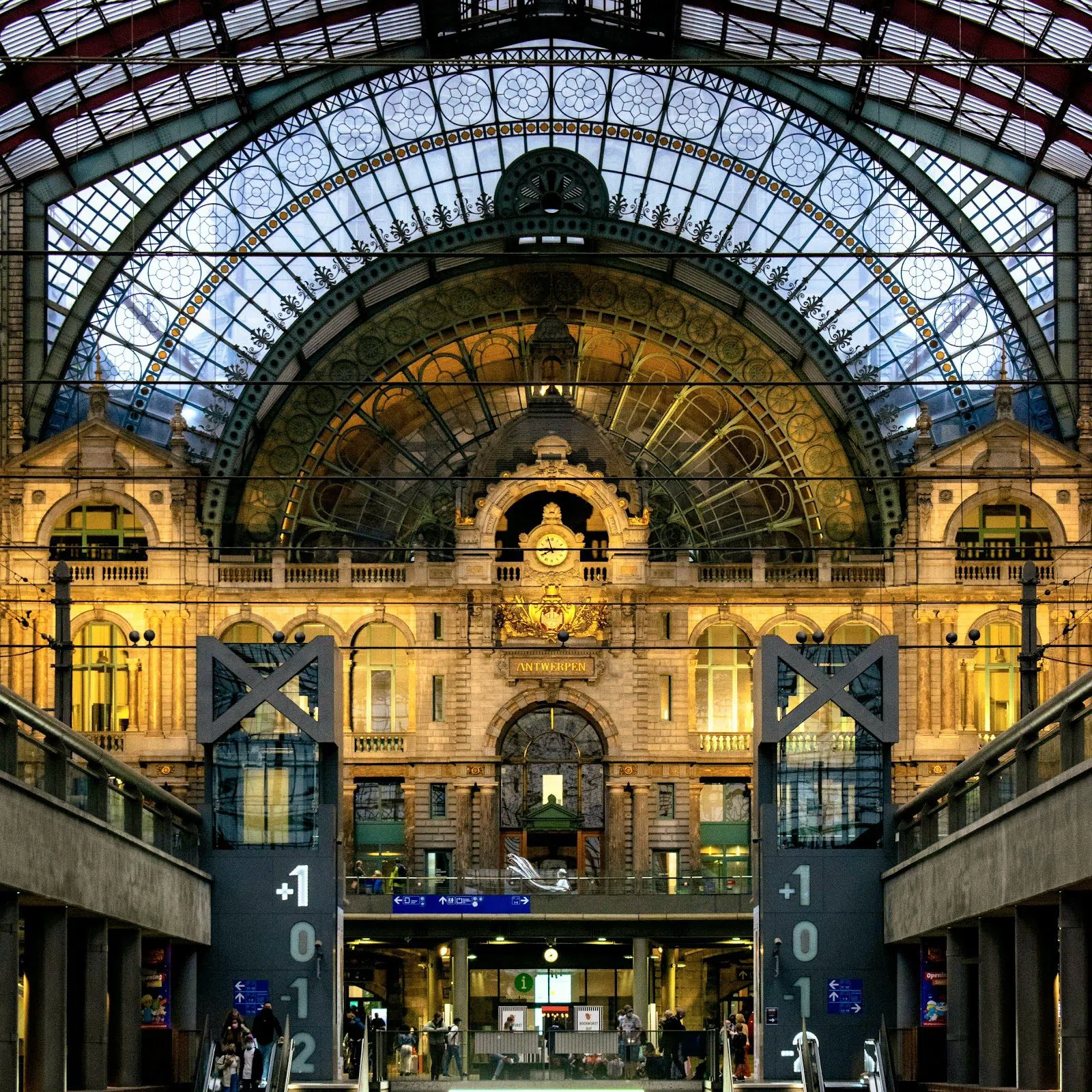
Antwerpen-Centraal (Astridplein, on the eastern edge of the centre) was completed in 1905 to a design by Louis Delacenserie, and the nickname it collected, the railway cathedral, is lazy shorthand for something more interesting. The stone hall and the iron train shed are two different buildings in two different tempers, joined at the hip, and the modern lower decks were cut in underneath without wrecking either. The concourse is public and free. There is no door policy, no ticket barrier to stand under the dome, and a group of thirty can walk straight in and stand around looking up without anyone minding. If you want photographs without a crowd of commuters walking through the frame, come early in the morning or late in the evening; between about eight and nine, and again at the end of the working day, the hall belongs to people with places to be.

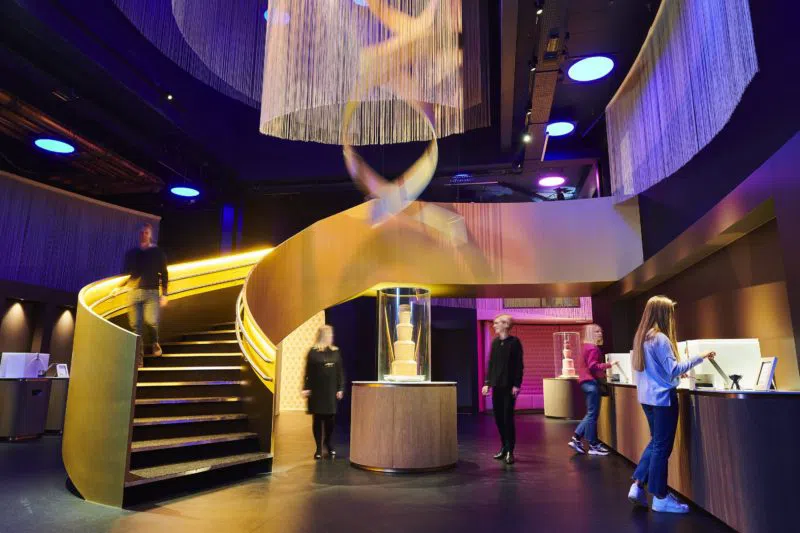
Two things sit within a minute of the exit, and both are better used as fillers than as the centre of a day. Chocolate Nation (Koningin Astridplein, directly opposite the station) is a walk-through chocolate experience at €19.90 adult and €14.50 child, open 9:30 to 18:30 and until 20:00 Wednesday to Saturday, with long enough hours and enough floor space to absorb a large party. It exists precisely for the ninety-minute gap before a departure. ZOO Antwerpen (also on Astridplein, physically attached to the station) dates from 1843 and is worth knowing about for its Egyptian-revival architecture as much as its animals; it costs around €30 to €35 for an adult, has a proper group-booking desk, and opens 365 days a year, the reliable wet-afternoon answer if you are travelling with children. Neither should eat your morning. The rest of the city is a twenty-five minute walk south-west, and the walk is the point.
Plan your Antwerp trip
Live prices from our booking partners.
Free cancellation on many rooms. We may earn a commission when you book.
Down the Meir, with one warning about Rubens
The Meir is the commercial spine, wide and pedestrianised, and the day does not get good on it. Two doors off it are worth the interruption. The first needs a blunt caveat. Rubenshuis (the Wapper, a few steps off the Meir) is not currently a house you can walk through. The historic artist's residence is closed for restoration and will not reopen before 2030 at the earliest; what is open is the new Rubens Experience building, the restored garden and the library, priced at roughly €12 to €16. Capacity is reduced while the works run, so book ahead, and if you are bringing a group, book well ahead. Go if you want the garden, the story and the context. Do not go expecting to stand in Rubens's studio, whatever an older guidebook told you.
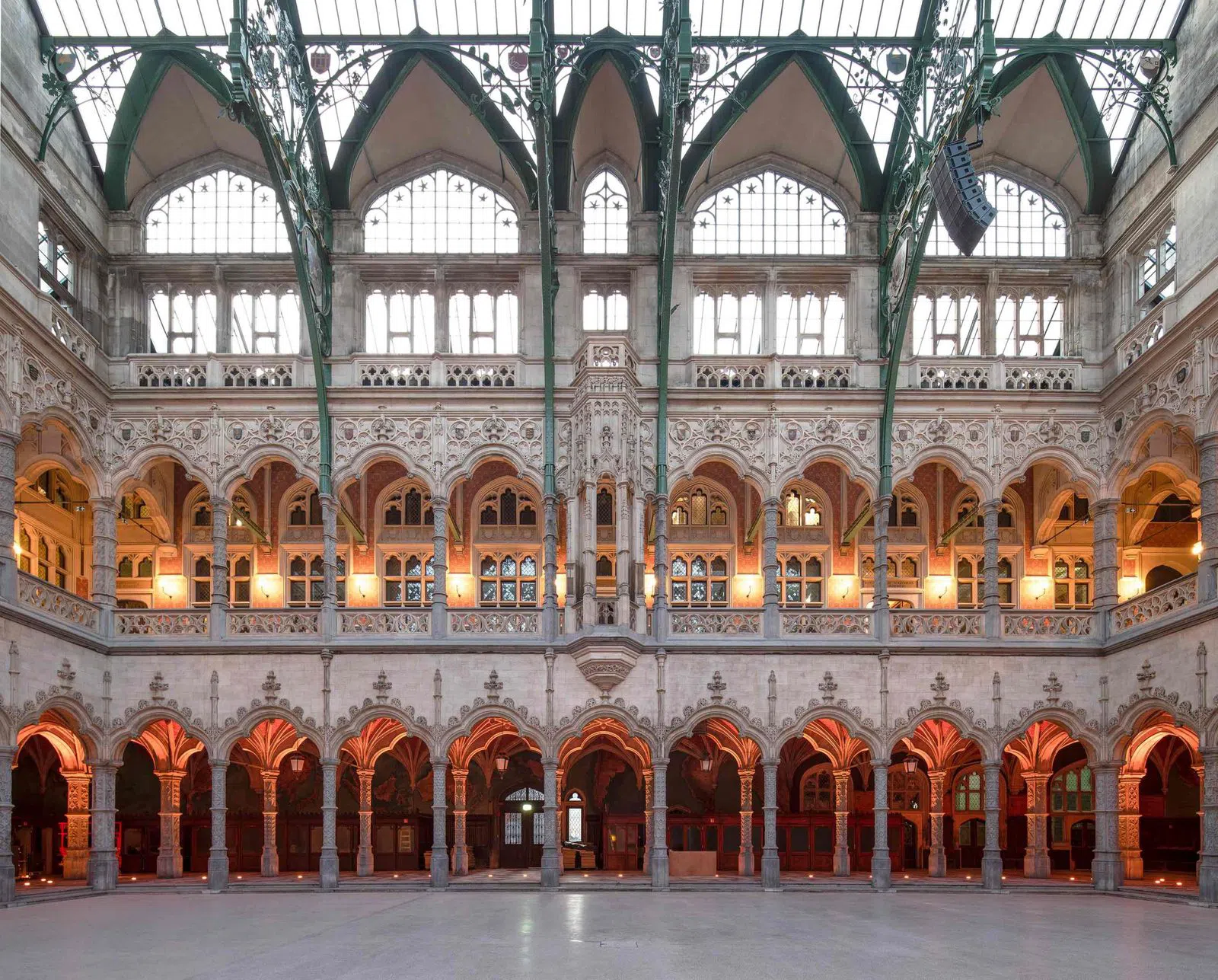
The second is free and takes ten minutes. Handelsbeurs Antwerpen (Twaalfmaandenstraat, a minute north of the Meir) was the world's first purpose-built commodity exchange, opened in 1531, burned, rebuilt in a confident neo-Gothic, and shut away for decades before being restored to public access. Walk in and you are standing in the ancestor of every trading floor since: a galleried courtyard under glass, built for men shouting prices at each other about pepper and cloth. Entry is free during open hours, roughly 10:00 to 18:00 at weekends and in school holidays, but the building earns its keep as a private event venue, so check before you route a group to it. When it is closed, it is properly closed.
The one interior you do not skip
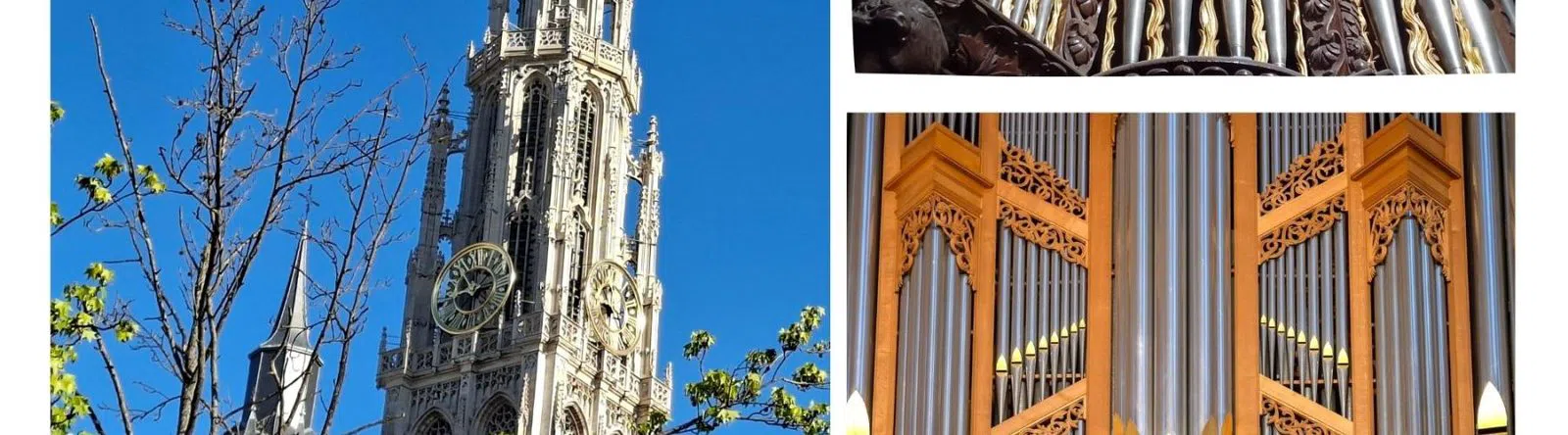
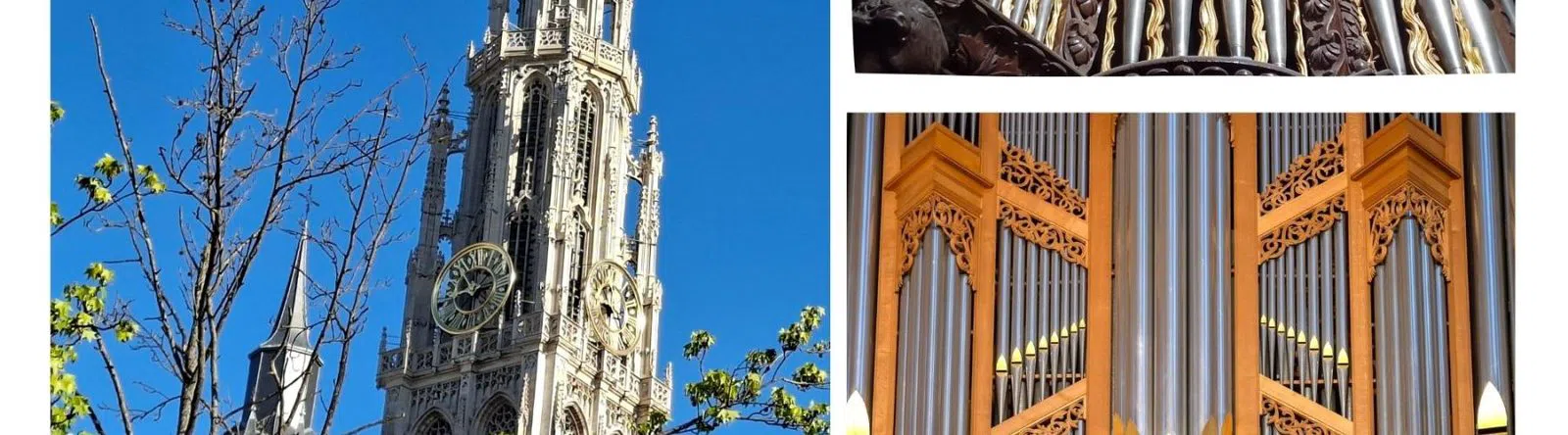
Cathedral of Our Lady (Groenplaats, old centre) is where a day trip stops being sightseeing and becomes worth the fare. Entry is €12 for an adult, €10 for students, over-60s and groups of twenty or more, and free for under-18s; guided group visits are arranged directly with the cathedral rather than through a third party, and that is the sensible route for anything above a handful of people.
The reason to go is that Rubens's Raising of the Cross and Descent from the Cross hang in the building they were painted for. That matters more than it sounds. These are altarpieces made for this light, this height and this distance, and seeing them at the intended remove, rather than at eye level in a gallery, rearranges what you think Baroque painting was for. Give it forty-five minutes rather than fifteen. A Rubens epitaph triptych is away for restoration, so the full set is not on view, and anyone promising you otherwise has not checked. It is also a working church, which means parts of it close for services without much notice. Couples and solo travellers can simply turn up. Groups should call.
Ninety minutes under the old centre
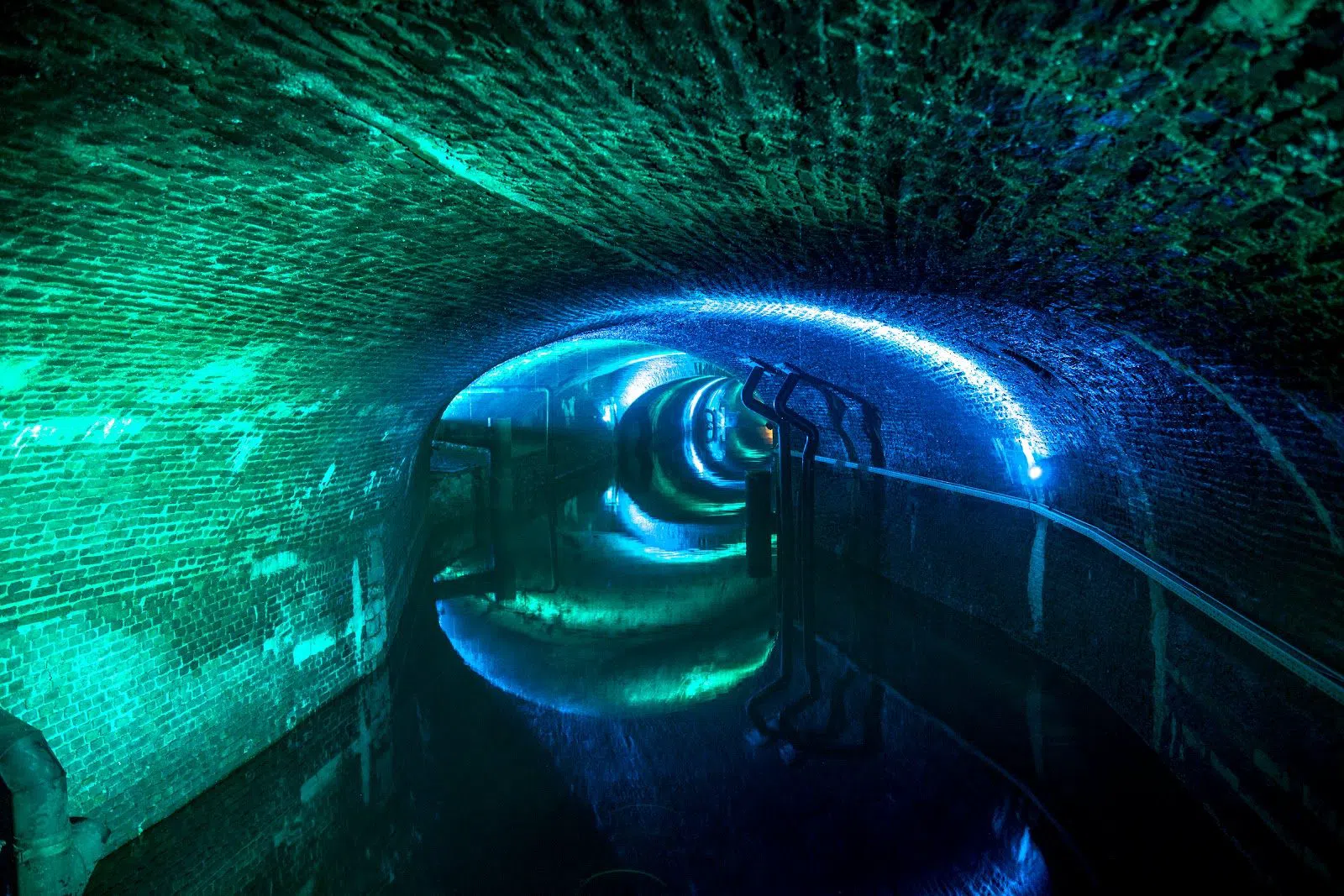
The most distinctive thing in Antwerp is underground. De Ruien (entrance at Suikerrui, near the river end of the old centre) takes you into the covered medieval canals that still run beneath the streets, the city's original waterways, roofed over as the centre grew and walkable now. It costs roughly €15 to €25 for the full ninety-minute tour, and it is built for groups; private group tours are the format it does best. Book ahead. Walk-up tickets exist only for the short boat taster, and turning up at the door on a Saturday expecting the long tour is how people end up disappointed. Tours run Tuesday to Sunday and can be cancelled in heavy rain, for the obvious reason that these are still drains. If you have one paid slot in your day and you have already seen a lot of European church interiors, spend it here.
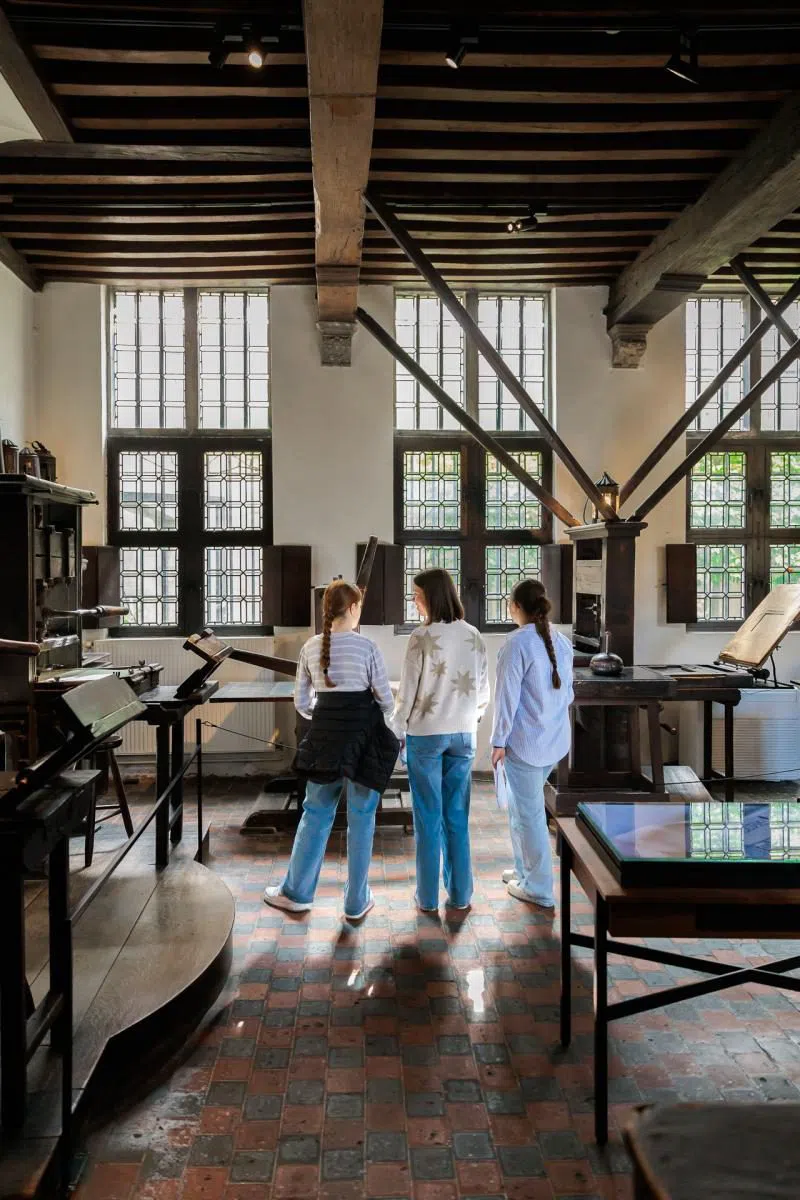
A five-minute walk west, Museum Plantin-Moretus (Vrijdagmarkt) is the quieter proposition and the more remarkable one. It is the only museum in the world inscribed on UNESCO's list as a museum, and it holds two of the oldest surviving printing presses anywhere, in the rooms where the Plantin family actually worked. Entry is €12, under-18s free, and admission is free on the first Wednesday of the month, which is worth planning around if your dates are flexible. It closes on Mondays. It is a slow, dark, type-and-paper sort of place, a poor fit for restless children and a very good one for anyone who reads.
The river half of the day
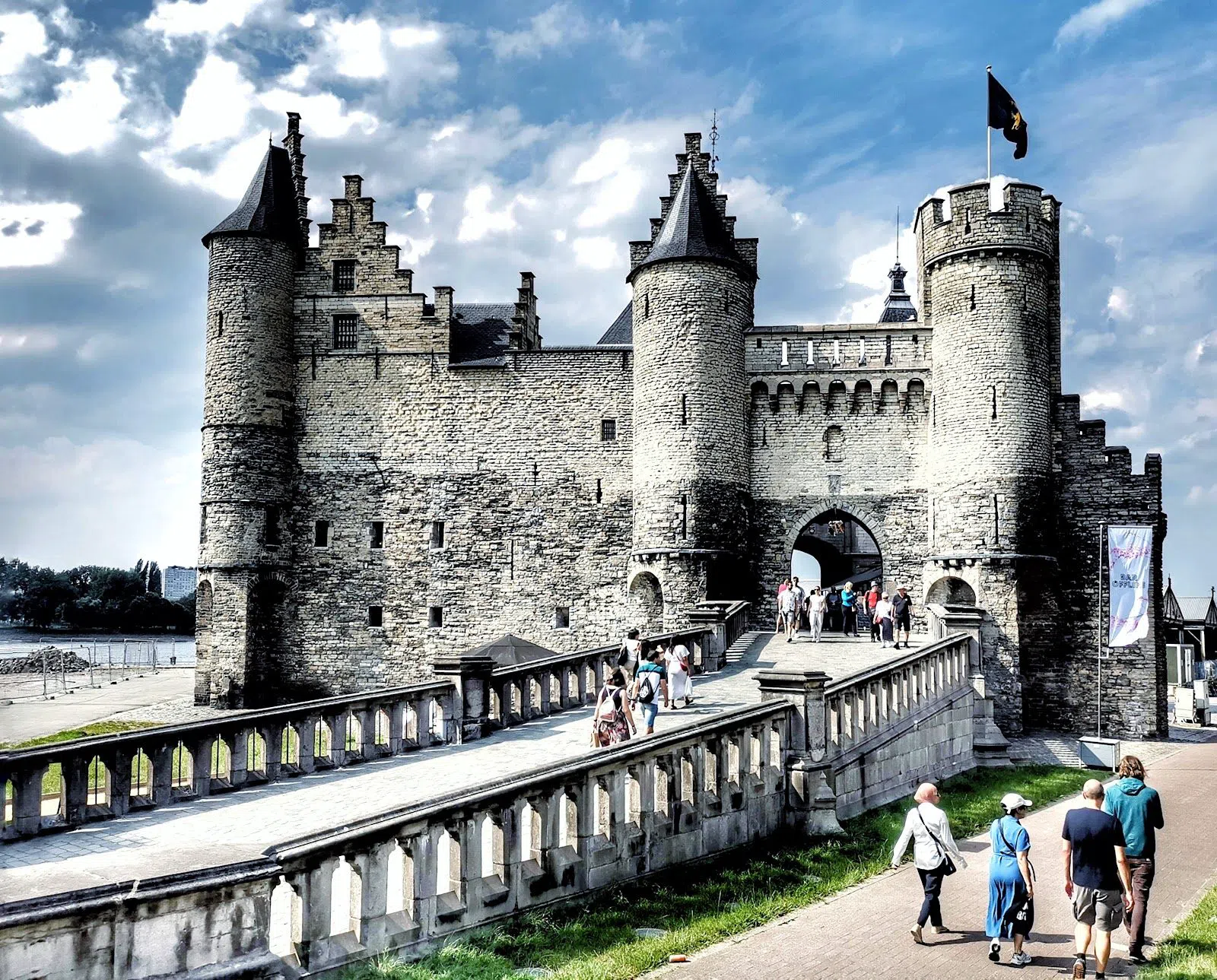
Walk to the water and Antwerp opens out. Het Steen (Steenplein, on the quay) is the obvious hinge: the riverside castle remnant that now houses the city's official visitor centre. The building and its roof terrace are free, with no booking needed even for a large group, and the paid Antwerp Story exhibit inside runs €7 for adults and €5 for ages 6 to 18. Ten minutes on the terrace is the cheapest orientation you will get anywhere in the city.
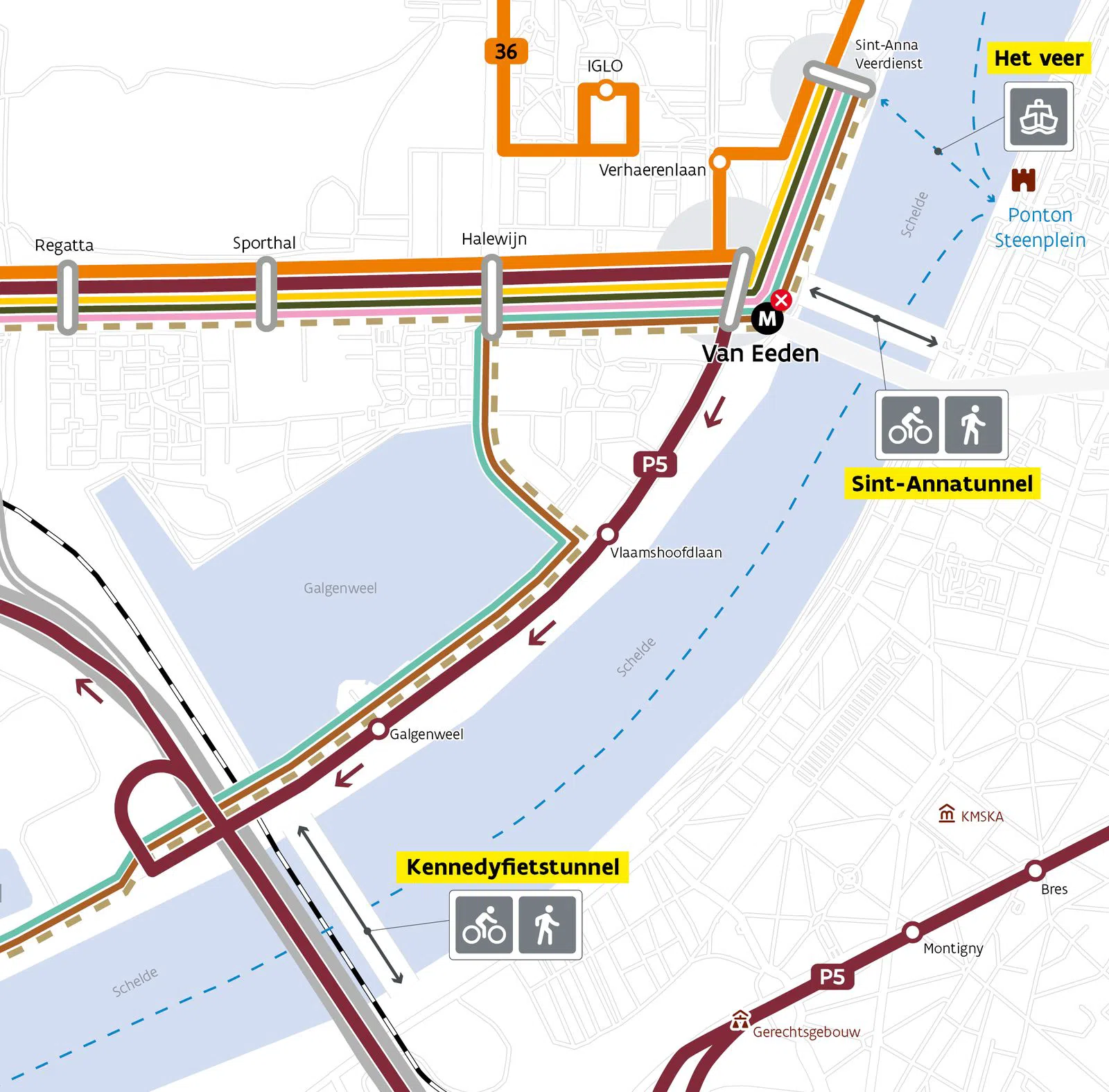
From there, two ways onto and under the Scheldt. Sint-Annatunnel (entrance at Sint-Jansvliet, a few minutes south along the quay) is free, open day and night, unticketed and unlimited, the best set-piece in Antwerp for no money at all. You descend, walk under the river with the tiles curving away in front of you, and come up on the left bank facing the full skyline of the old city: spire, guild roofs, cranes and all. The escalators get routine maintenance on Thursdays, so factor in stairs if anyone in your party would struggle. De Waterbus (departures from Steenplein) is the honest alternative to a tourist cruise, a scheduled public river service costing low single-digit euros a hop, walk-on, no commentary, bikes carried, though bike space is occasionally restricted on big event days. Large groups should split across two departures rather than trying to board together. Walk under, ride back, and you have crossed the river twice for the price of a coffee.

North along the docks, MAS (Eilandje, about fifteen minutes on foot from Het Steen) closes the loop. Its rooftop is free and unticketed, so a group can go straight up without booking a thing, and the view (river on one side, city on the other, docks stretching out) is the best free thing in Antwerp. The exhibition galleries cost around €12 and close on Mondays, but the vertical promenade of escalators and the roof itself stay open far longer than the museum does, so MAS is the right last stop on a long summer evening.
When the weather turns or the day runs long
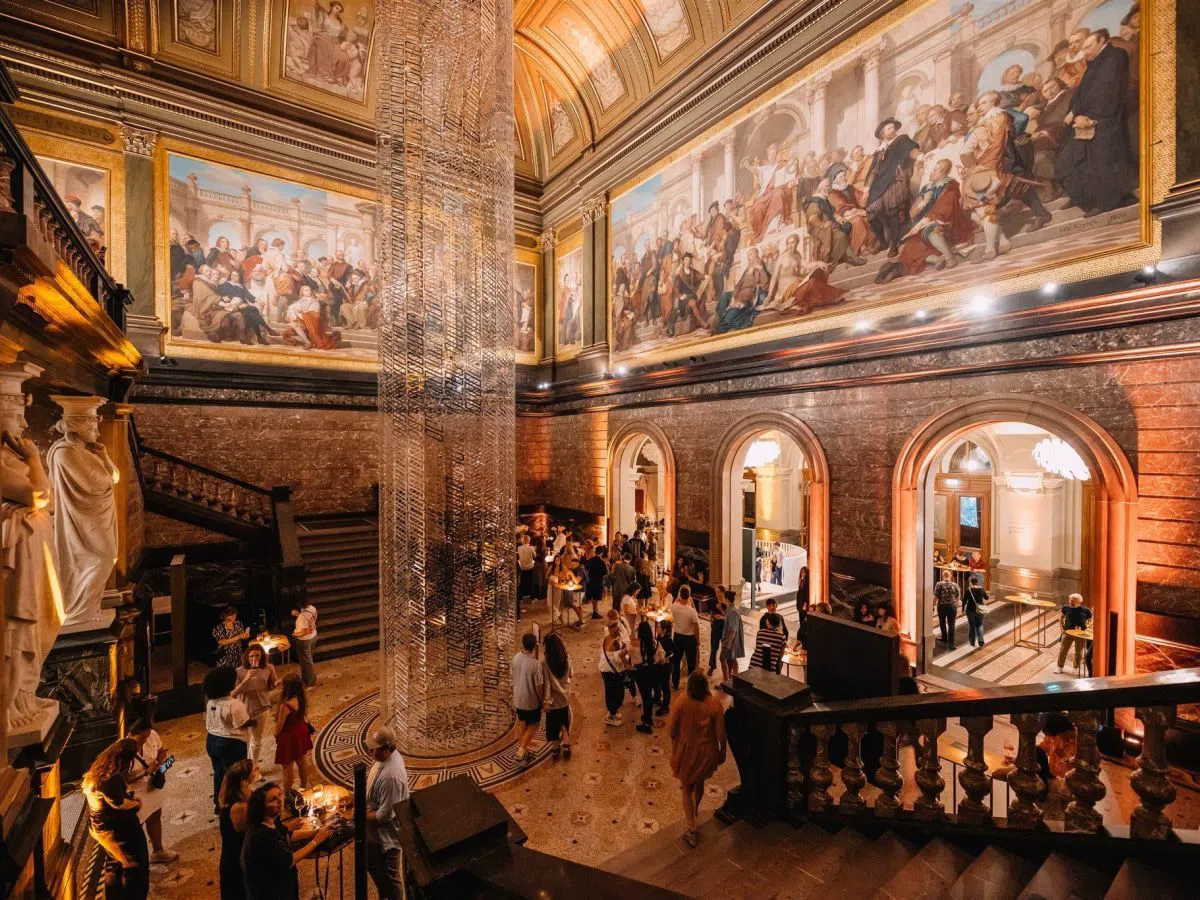
Two museums earn a detour if rain arrives or your train is late in the evening. KMSKA (Zuid, south of the centre) reopened in 2022 after a conversion that buried a stack of white galleries inside the nineteenth-century shell, and the architecture is a reason to go on its own. It holds Rubens alongside the largest James Ensor collection in the world, which is the more surprising half of the visit. Entry is €20, or €10 reduced, there is a proper groups programme with guided tours, and advance booking is advised. For a day trip the useful detail is the Thursday late opening until 22:00, the one evening you can put a major museum after dinner.
MoMu (Nationalestraat, in the fashion quarter) is where Antwerp's designer reputation becomes something you can look at rather than something people assert. Entry is €13, €9 for ages 18 to 25 and free for under-18s, with group bookings taken directly. Through 2026 it is running the first major exhibition on the Antwerp Six, marking forty years since the group's breakthrough, and it is the most substantial thing the museum has staged in years. It closes on Mondays, like most of the city's collections. A Monday day trip should lean on the river, the cathedral and the streets instead.
The last hour belongs to Berchem
The smartest way to end is not to return the way you came. Zurenborg (Cogels-Osylei and the streets around it, minutes from Antwerpen-Berchem station) is a district of roughly 170 protected houses, Flemish-listed since 1984, art nouveau next to neo-Egyptian next to mock-Tudor, built in a burst of speculative ambition by people with more confidence than restraint. The streets are open at any hour and cost nothing; guided architecture walks for groups start from the hall of Berchem station, so this is the easiest thing in Antwerp to bolt onto an arrival or a departure. Thirty minutes is enough. An hour is better.

A short walk away, De Koninck (Berchem) has been brewing on the same site since 1833 and is the city's last surviving brewery. The visit is a self-guided interactive route ending in a tasting, at around €14 to €18, with group tours, tastings and mixed-group Sunday sessions bookable in advance. It is the reliable late-afternoon stop before the train home, and it is designed for exactly that: you are in and out in an hour with a glass of bolleke behind you. Before you set off, check your ticket, because plenty of services call at Berchem as well as Centraal and you may not need to double back across the city at all. For where to go next in the city, the Antwerp guide has the rest.
Practical notes
Transport. From Centraal to the cathedral is about twenty-five minutes on foot, and the whole old-centre-to-river stretch is walkable in flat shoes. Trams cover the longer legs (station to Zuid, or centre to Eilandje) and De Waterbus handles the river for a couple of euros. Nothing in this route needs a taxi.
Cash. Cards and contactless work almost everywhere, including museums and the brewery. Carry a small amount of cash for a market stall or a bar that has decided otherwise.
Timing. Mondays close MAS's galleries, Museum Plantin-Moretus and MoMu; De Ruien runs Tuesday to Sunday; KMSKA's Thursday late opening to 22:00 is the single most useful fact for stretching a day trip. Book De Ruien, KMSKA and Rubenshuis in advance, and contact the cathedral directly for groups. Everything else on this route takes walk-ups.
Budget. A free day is entirely possible: the station hall, Het Steen, the Sint-Annatunnel, the MAS rooftop, Handelsbeurs at weekends and Zurenborg cost nothing between them. A full paid day of the cathedral, one museum and De Ruien lands around €45 to €55 a head before food. Add the brewery for another €15.
Staying over. One day covers this route honestly. A second lets you take the museums slowly and see the river at both ends of the light, and rooms here are cheaper than the obvious alternatives, so start with an Antwerp hotel search if the day trip starts feeling short.
Before you go
Is one day enough for Antwerp, or should I stay overnight?
One day covers the station hall, the cathedral, the old centre, the river crossing and the MAS rooftop at a walking pace, and that is a complete visit. Add a second day if you want the museums slowly. KMSKA, Museum Plantin-Moretus and MoMu each deserve a couple of hours, and all three in one day is a forced march.
Can I visit the Rubens House in Antwerp in 2026?
Only partly. The historic artist's residence is closed for restoration and will not reopen before 2030 at the earliest. Open now are the new Rubens Experience building, the restored garden and the library, at roughly €12 to €16, with reduced capacity, so book ahead. For Rubens's paintings in their original setting, go to the Cathedral of Our Lady instead.
What can I do in Antwerp if I only have two hours between trains?
Stay east. Look properly at the Antwerpen-Centraal concourse, then take Chocolate Nation opposite the station (€19.90 adult, open to 20:00 Wednesday to Saturday) or ZOO Antwerpen, which is attached to the station and open every day of the year. If you have closer to three hours and prefer walking, take a train one stop to Berchem and walk the Cogels-Osylei streets in Zurenborg for free.
What is free to see in Antwerp?
More than you would expect. Antwerpen-Centraal's hall, Het Steen and its roof terrace, the Sint-Annatunnel walk under the Scheldt, the MAS rooftop and its vertical promenade, the Zurenborg streets, and Handelsbeurs Antwerpen during its open hours at weekends and school holidays. De Waterbus costs low single-digit euros a hop, the cheapest way onto the water.
Which Antwerp attractions need booking in advance for a group?
De Ruien is the one to plan for: walk-up tickets only cover the short boat taster, so the 90-minute tour must be booked, and it runs Tuesday to Sunday. Book KMSKA and Rubenshuis ahead too, and arrange cathedral group visits directly with the cathedral, where groups of 20 or more pay €10 a head. Het Steen, the Sint-Annatunnel and the MAS rooftop take any group size without booking.