The Antwerp issue
An October Weekend of Antwerp Museums, Markets and Walks
Three days of Antwerp on foot in October 2026, covering the museums that need a timed slot, the markets that run on one day only, and the free riverside walks I would plan the weekend around.

By Chiara BenedettiTwo visits before I'll tell you it's good
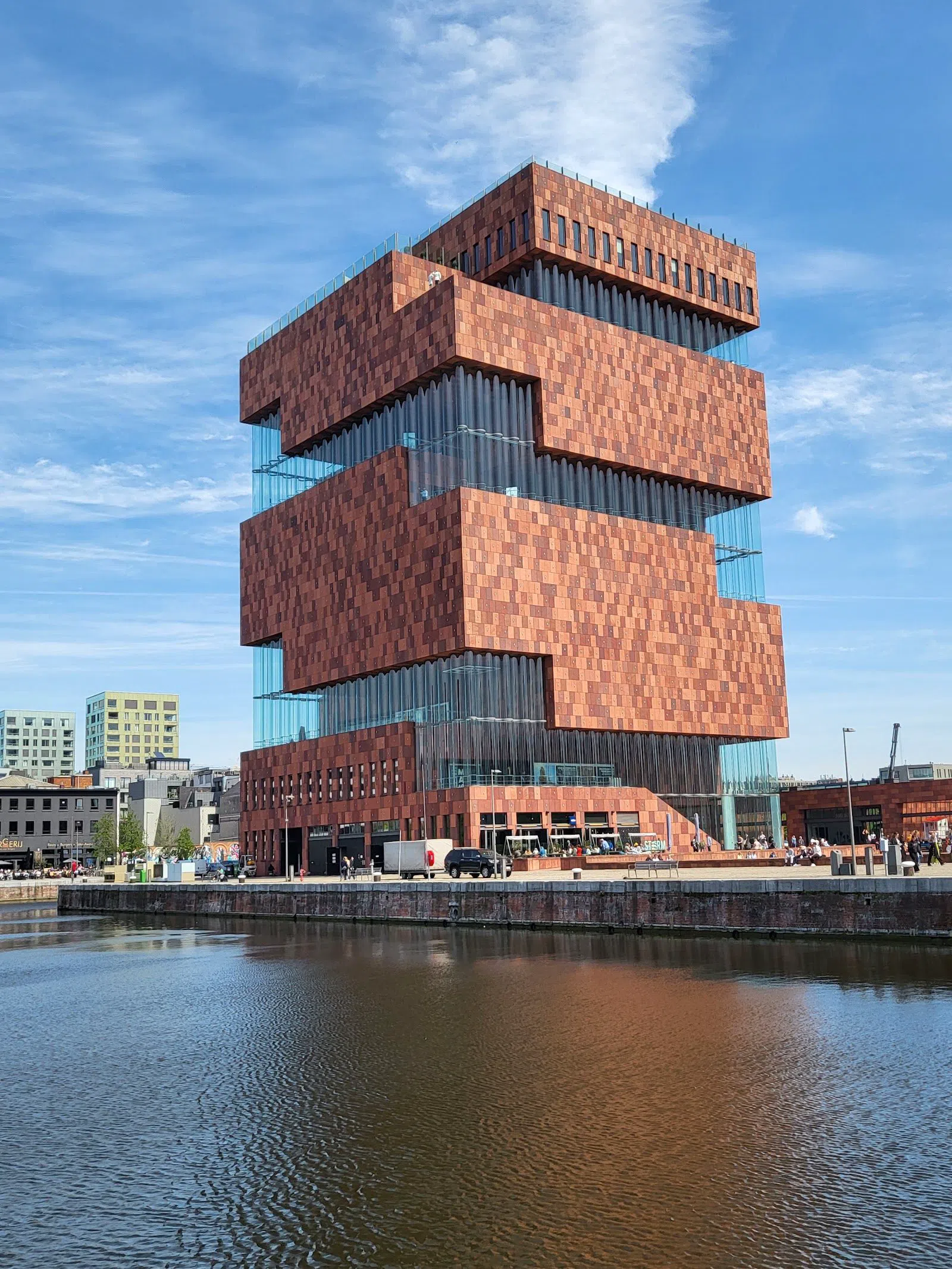
October in Antwerp smells of wet cobbles and frying oil, and by four in the afternoon the Scheldt has gone the colour of slate. It is a good month to be here because the autumn exhibition season is fully open (fashion, photography and one Bruegel that has temporarily moved house) and because the walking is flat, short and mostly free. Almost nothing below is more than twenty-five minutes on foot from anything else, and the single best thing to do costs nothing at all.
Start at the river, where nothing costs anything
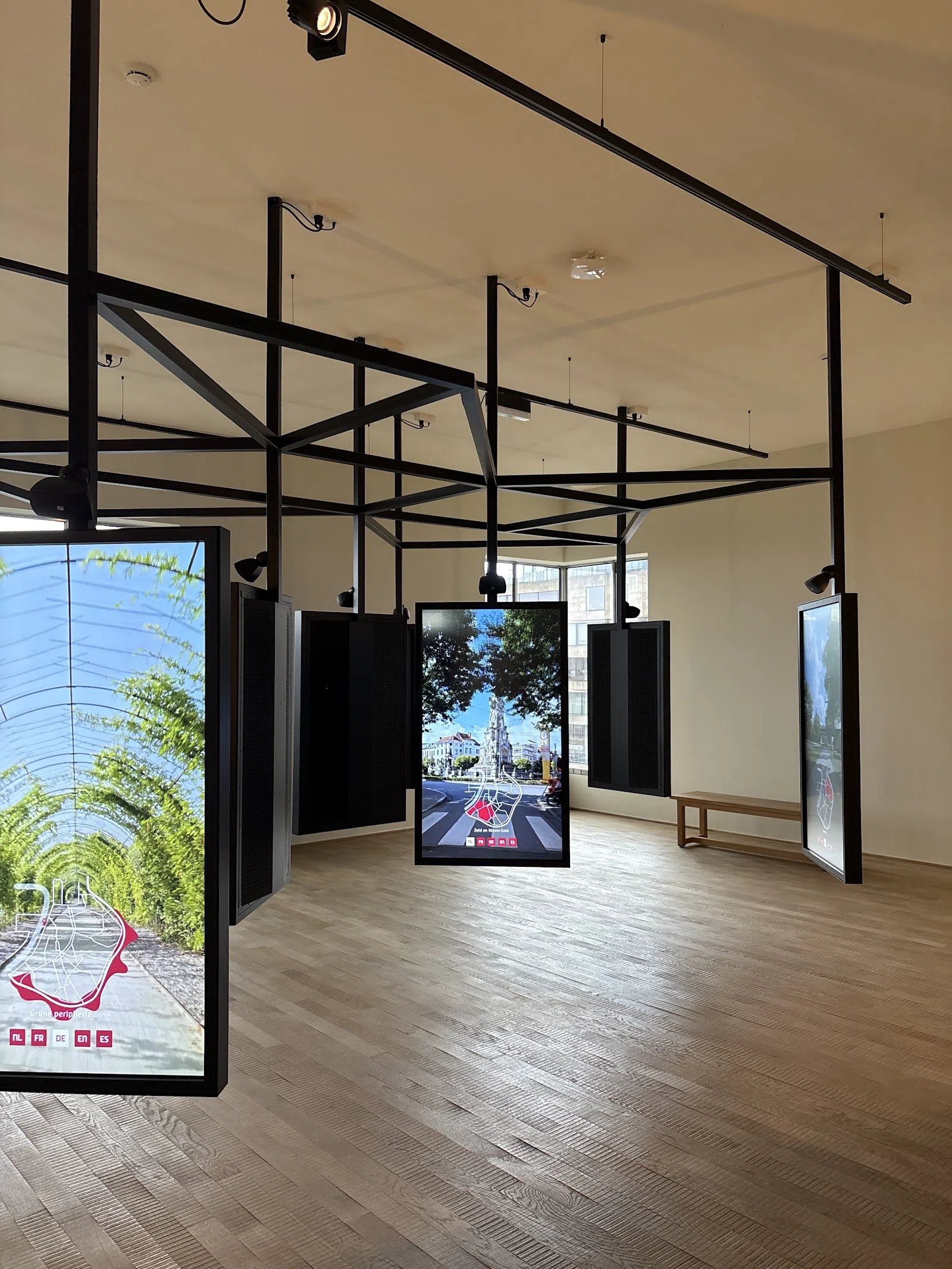
Het Steen (Steenplein, on the old-town waterfront) is the obvious opening move and the cheapest. The oldest building in the city now houses the Antwerp Visitor Centre, and both the centre and its rooftop are free, walk-in and unbooked. Arrive as a couple or as a coach party, nobody counts you. Collect the walking brochures at the desk before you set off, because that is the practical reason to go in. The one ticketed element is The Antwerp Story at €7 adult and €5 for ages 6 to 18. Worth it if the rain has set in and you want forty minutes indoors; skip it on a clear morning, when you should be outside using the light.
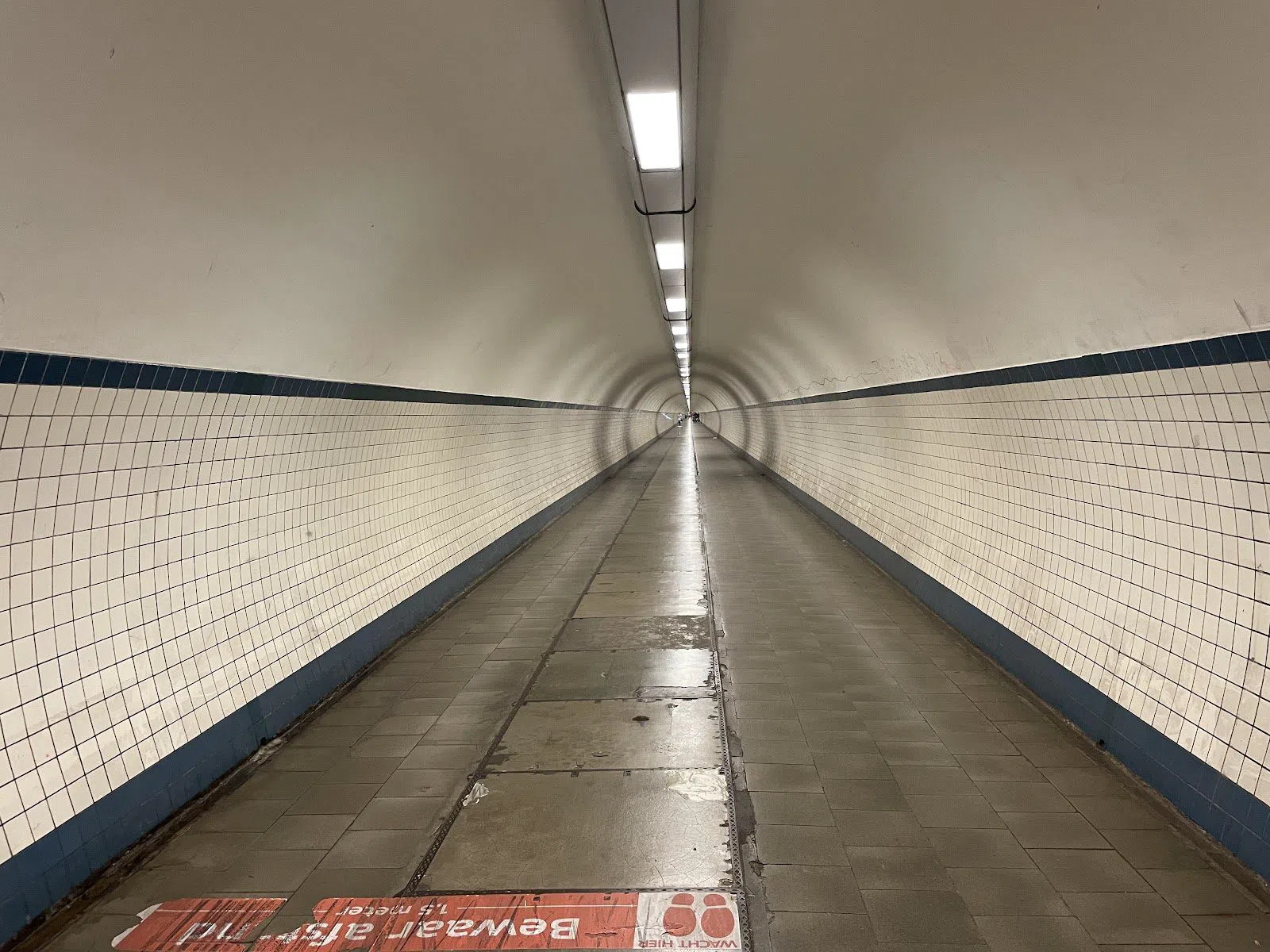
From there it is a short walk south along the quay to the Sint-Annatunnel (entrance at Sint-Jansvliet, old town), which I would call the best free thing in Antwerp without much argument. You descend, walk under the river in a long straight tube, and come up on Linkeroever facing back at the old town for the skyline view that every postcard uses. Thirty minutes round trip, free, open day and night, no ticket, no booking, any group size. Two operational notes are worth carrying with you. The escalators get maintenance on Thursdays, so allow for stairs or lifts if you cross on a Thursday, and from 30 September 2026 cargo bikes are barred from the escalators entirely and must use the lifts.
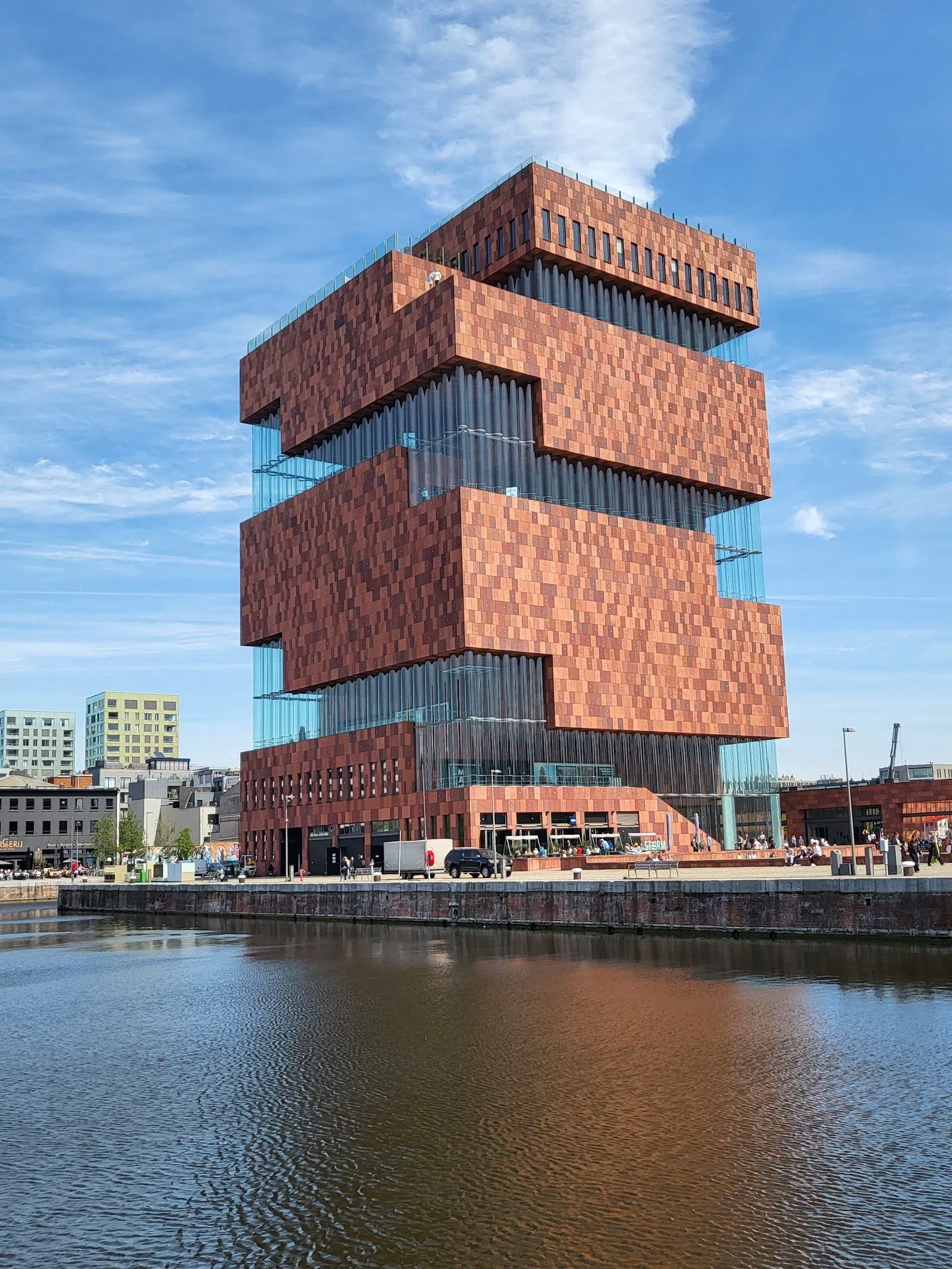
Walk north instead and you reach MAS | Museum aan de Stroom (Eilandje) in about fifteen minutes. This is the orientation stop. The escalating boulevard that spirals up the outside of the building, and the rooftop at the top of it, are free and need no ticket at all, open 09.30 to 22.00, which makes it as good at dusk as at noon. The collection inside, on the port and the city, is €12 adult, €8 for 18 to 25s and for groups of twelve or more, free under 18, and closed on Mondays. If you are travelling with a large group and want one guaranteed shared moment that costs nothing and requires no booking, it is the rooftop.
Plan your Antwerp trip
Live prices from our booking partners.
Free cancellation on many rooms. We may earn a commission when you book.
Museums worth a timed slot
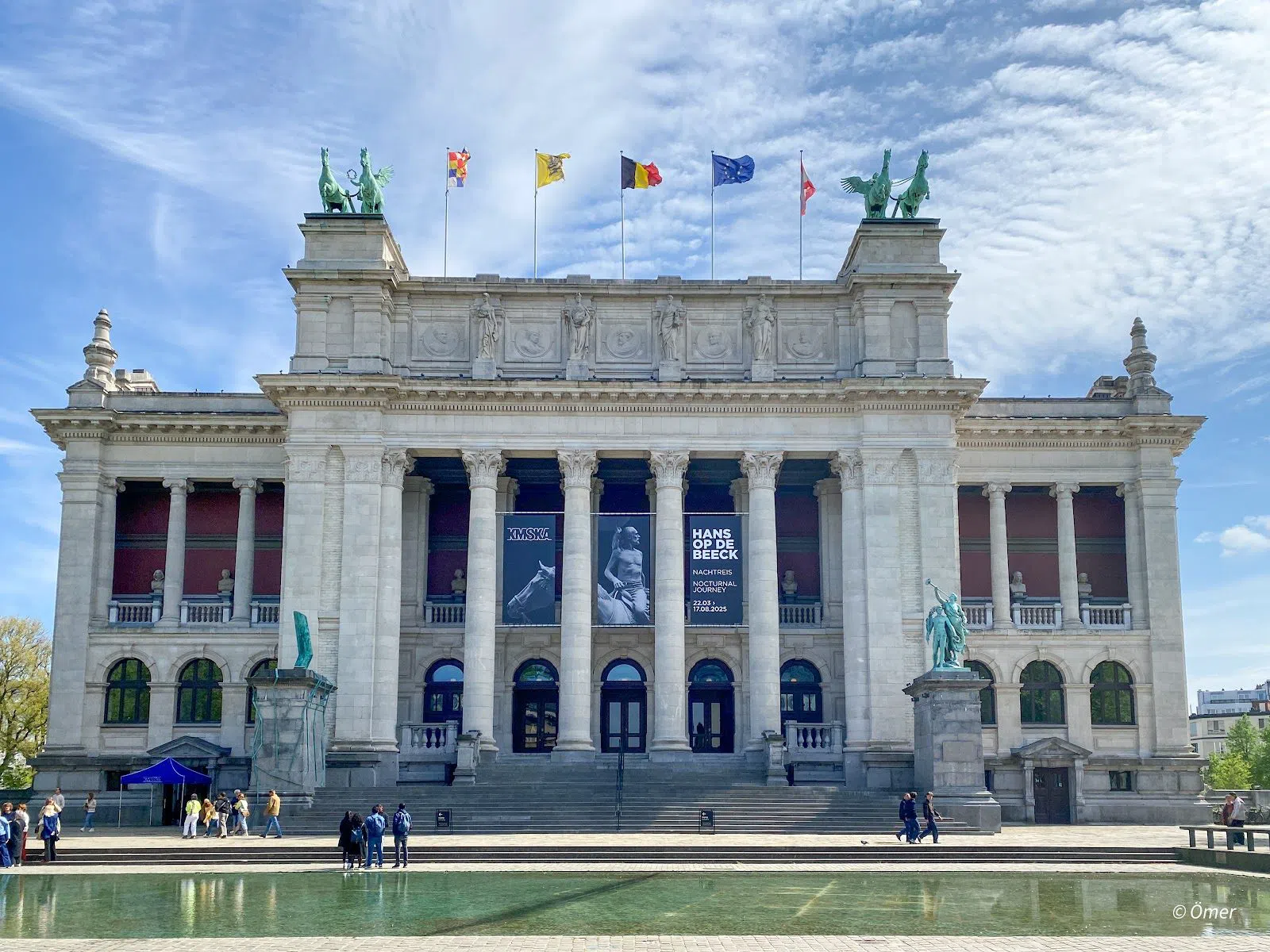
KMSKA (Zuid) is the heavyweight: Rubens, Ensor and Van Eyck in a building that is itself the exhibit after its long restoration. Entry is €20 adult, €10 under 26, free under 18, and it runs on timed half-hour slots that must be reserved online even if you hold a pass. That last detail catches people out; a pass is not a queue-jump here. Allow two hours minimum and do not treat it as a walk-up. There is a dedicated groups department and guided tours can be booked through it, which is the sane route for anything above a dozen people.
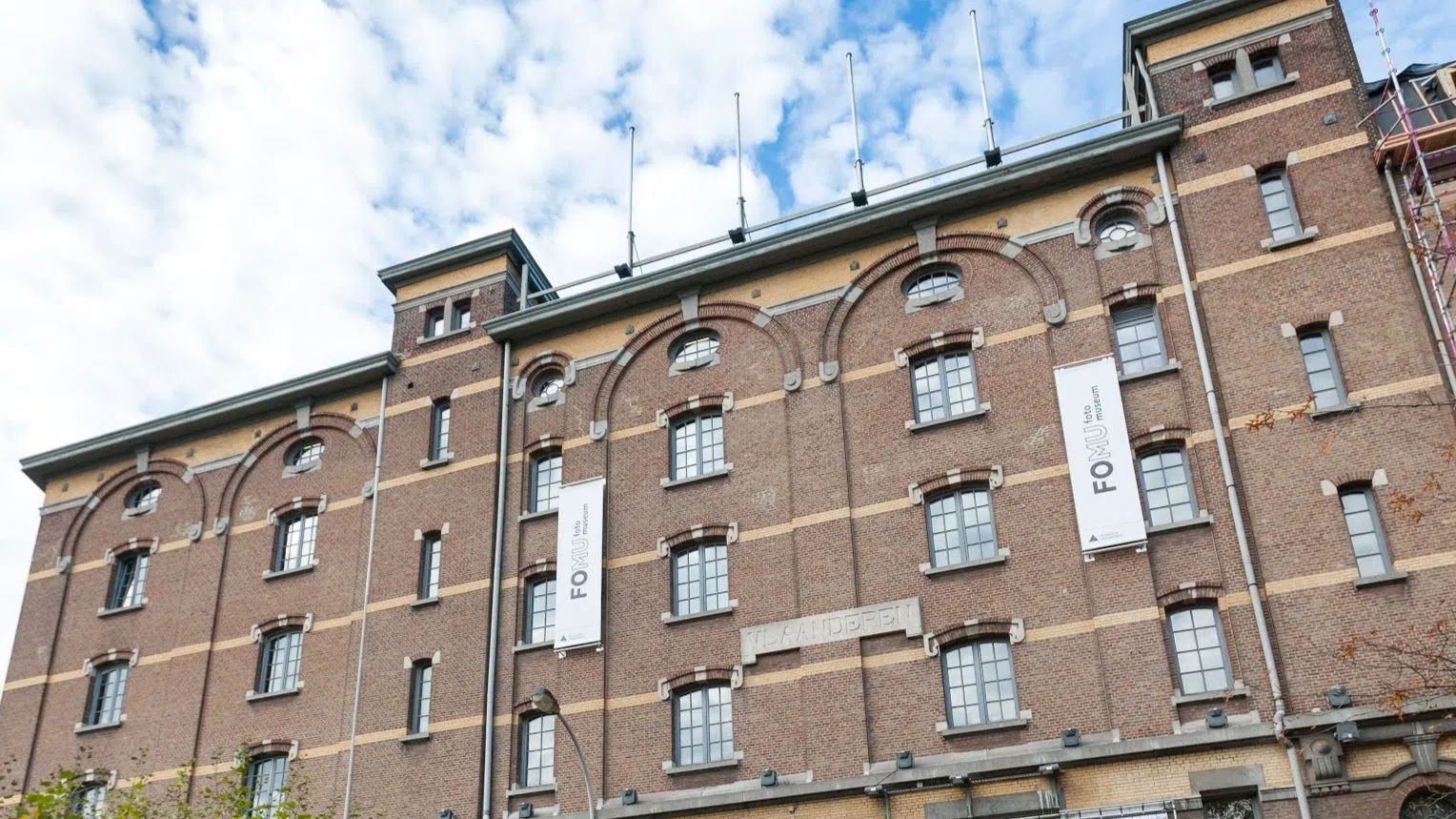
Ten minutes on foot from KMSKA, still in Zuid, is FOMU (Fotomuseum Antwerpen), and pairing the two in one afternoon is the most efficient thing you can do with the district. Around €12 adult, tickets online, closed Mondays. The autumn programme is the reason to bother rather than a general nod at photography. Graciela Iturbide's 'Eyes to Fly With' and a Léonard Pongo show run from 18 September 2026 to 17 January 2027, so any October weekend catches both.
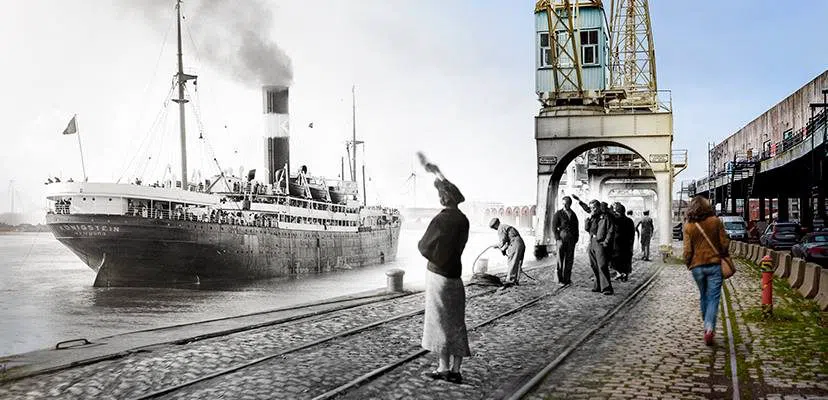
Back up at the Eilandje, a few minutes from MAS, the Red Star Line Museum (Montevideostraat) tells the story of two million people who left for America through this port, in the actual sheds where they were disinfected before boarding. For an international audience it is the most emotionally direct museum in the city, and I would not put it back-to-back with anything demanding. It is €10 adult, €12 with the temporary exhibition, €6 to €8 for visitors aged 18 to 25 and for groups, free under 18, and it uses thirty-minute timed entry slots, so a group has to hold a slot rather than drift in.
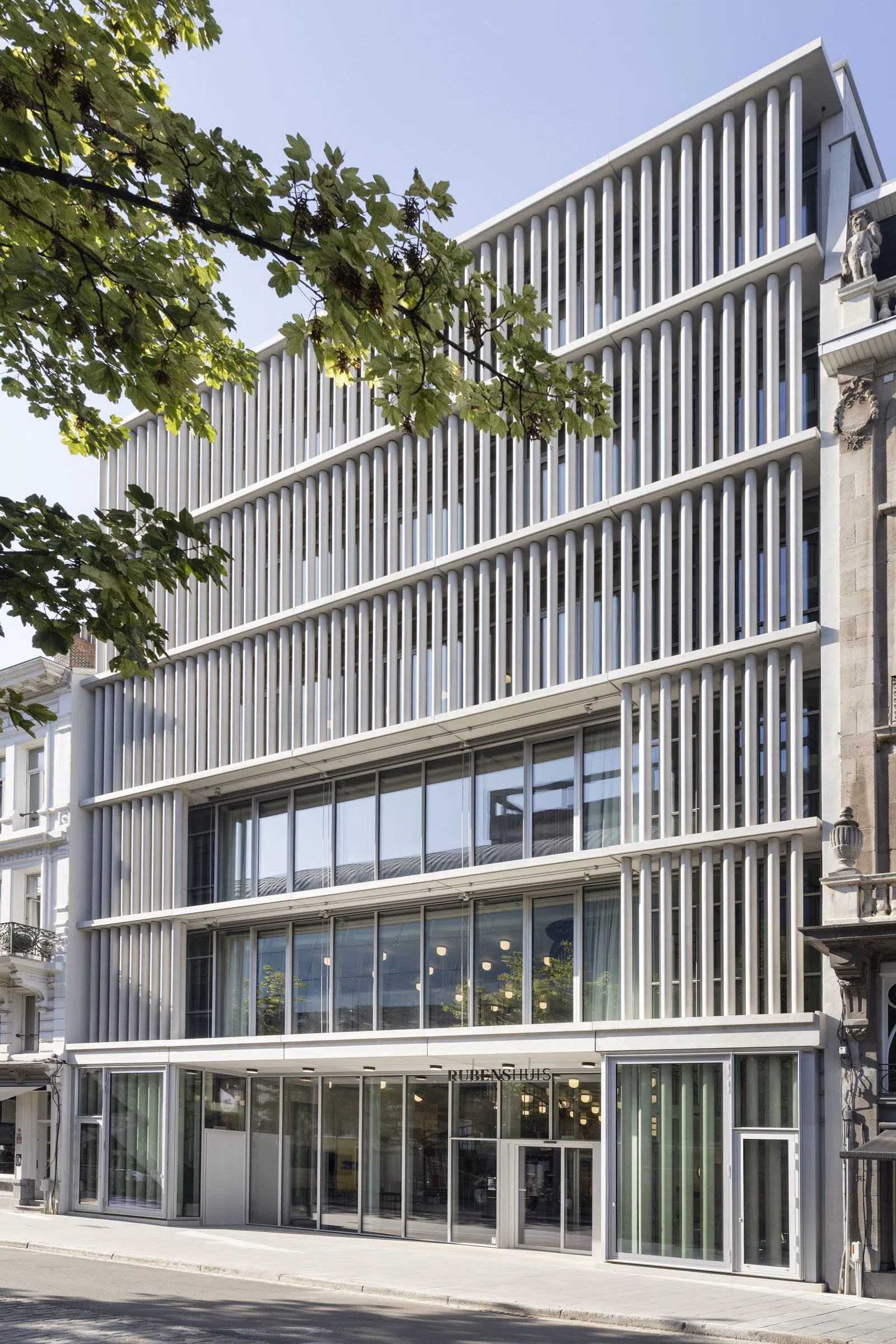
Two more need booking and one of them needs honesty. The Rubenshuis (the Wapper, just off the Meir) is not the house you may be expecting. The historic house itself is closed for restoration until 2030. What is open is the Rubens Experience, the library and the baroque garden, at €12 for the Experience and garden or €8 for the garden alone, free under 18. It is closed on Wednesdays, it is card payment only with no cash accepted, and the Experience runs on fixed timed starts with limited capacity, so a large group should either split across slots or book well ahead.
Meanwhile Museum Mayer van den Bergh is camped at the Maagdenhuis (Lange Gasthuisstraat) with its 'Beloved' presentation while its home building is also closed to 2030, and this is where Bruegel's 'Mad Meg' currently hangs. The ticket is €14, valid for two days, and it also covers the Rubens Experience and garden, which makes it better value than buying the Rubenshuis on its own. Entry is in timed blocks booked online, group arrangements go through the phone line or [email protected], and the opening pattern shapes everything: Friday to Sunday only, 10.00 to 17.00. Perfect for a weekend, useless midweek.
Fashion, and a cathedral with awkward hours
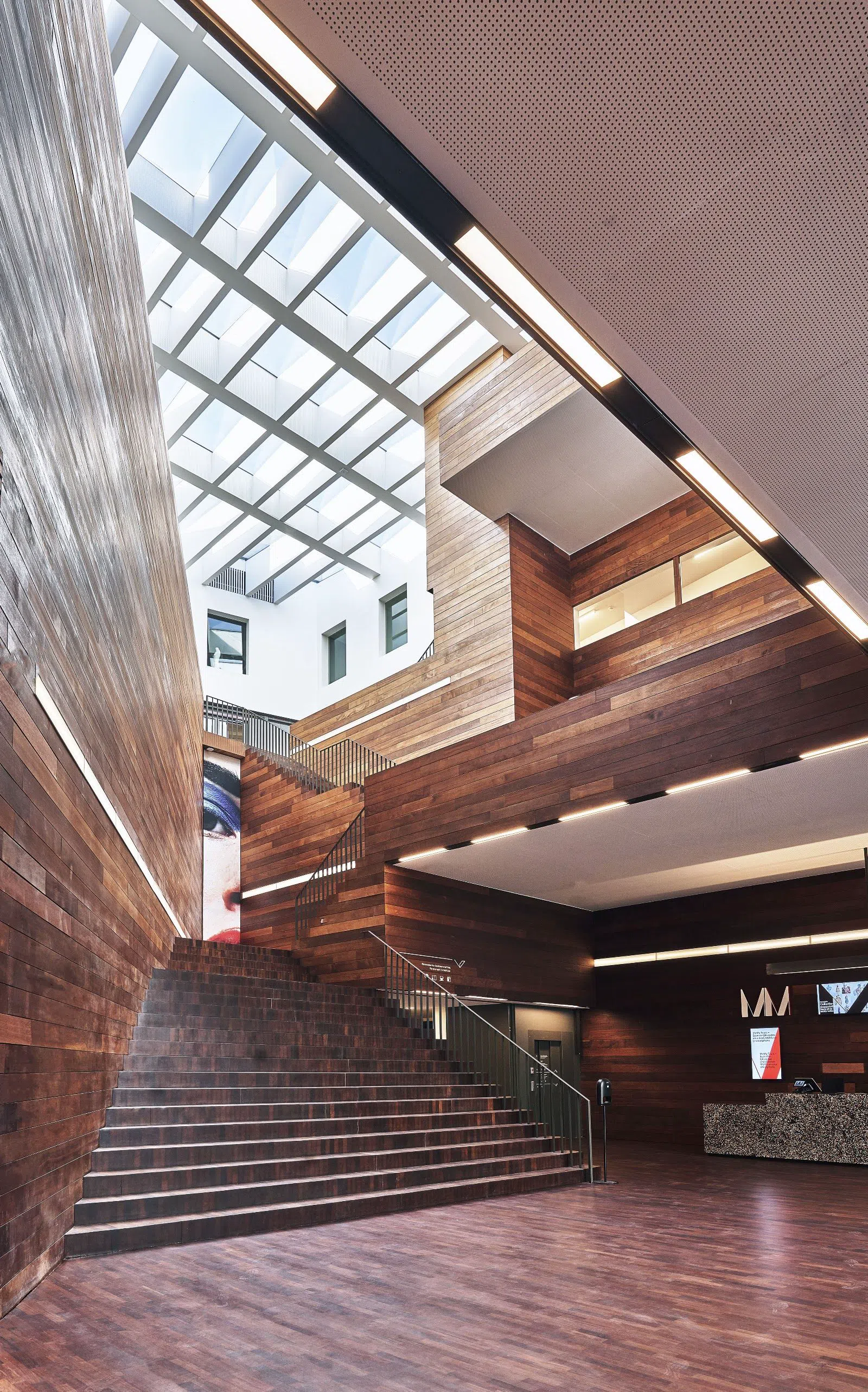
Autumn 2026 is an unusually strong season at MoMu (Nationalestraat, in the fashion quarter), which is not something I say every year. 'The Antwerp Six' runs to 17 January 2027 and 'LOOKS, LOOKS, LOOKS' to 8 November 2026, so an October weekend gets both under one €12 adult ticket (€3 for 18 to 25s, free under 18). Open Tuesday to Sunday 10.00 to 18.00 with last entry at 17.00, so a lazy start can cost you the visit. Groups over twelve paying visitors get the reduced rate, and both guided tours and a Fashion Walk through the surrounding streets can be booked up to two weeks ahead via [email protected]. If your group is more interested in the city than in the vitrines, the walk is the better buy.
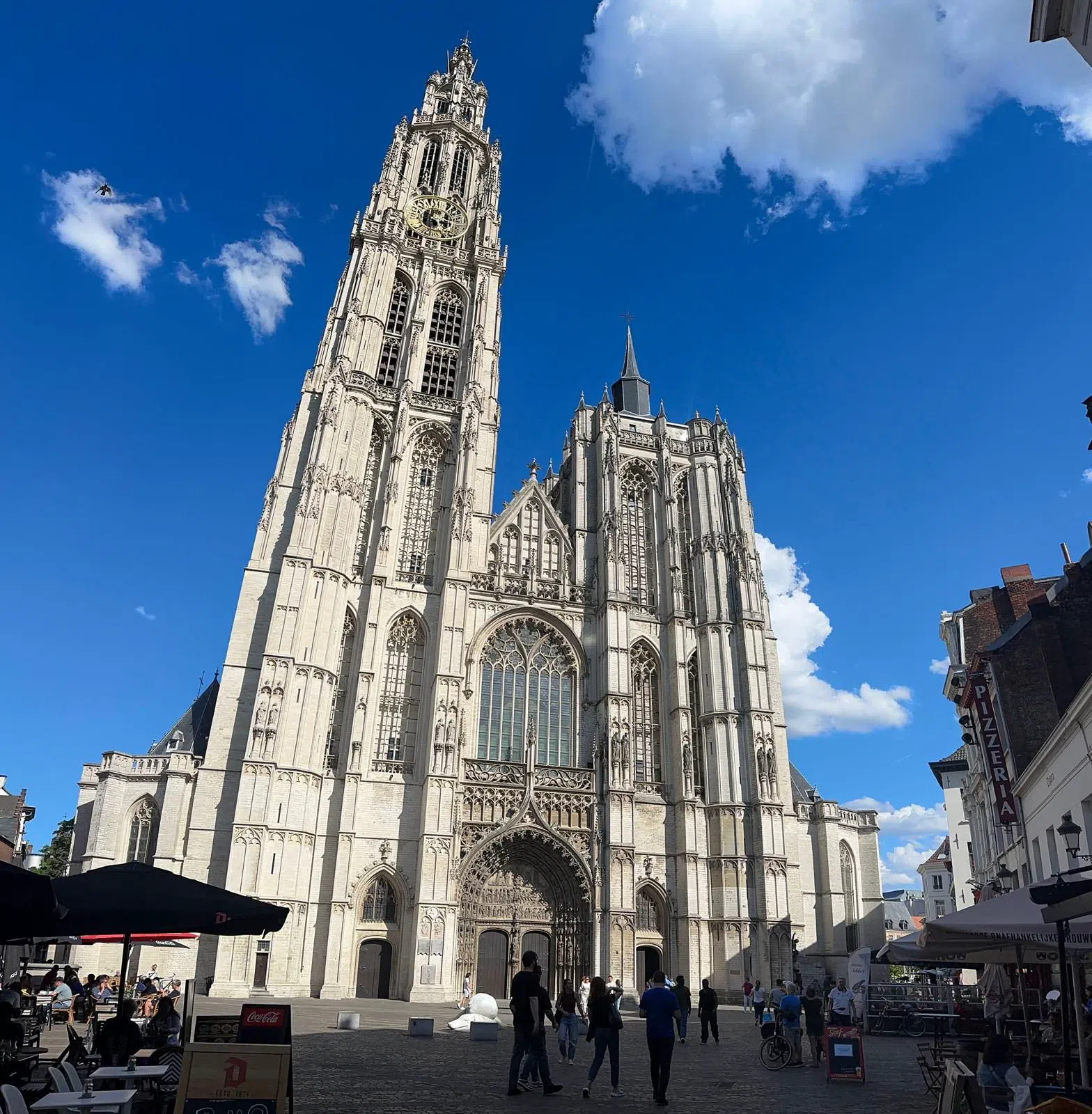
The Cathedral of Our Lady (Handschoenmarkt, old town) is the one place I would tell you to check the day before you go. Entry is €12 adult, €10 for groups of twenty or more, over-60s and students, free under 18, and free guided tours in several languages are included with the ticket, which is genuinely good value. The hours are the problem: Monday to Friday 10.00 to 17.00, Saturday only to 15.00, and Sunday not until 13.00. On top of that it closes entirely from 13.00 on 2 October 2026. If your weekend is the 3rd and 4th you are fine; if you arrive on the Friday hoping for a late afternoon inside, you are not.
Markets, and the day each one actually falls on
Antwerp's markets do not run continuously, and knowing which day is which is what separates a good weekend from a frustrating one.
Vogelenmarkt (Theaterplein) is the flagship, Sunday only, 08.00 to 13.00, free to browse, no booking and no size limit, and the easiest thing on this entire list to do with fifteen people. One correction to carry with you, because the name misleads and older write-ups have not caught up: live animals have been banned at the weekly markets since 1 January 2026, so the 'bird market' sells no birds. What is left is food, plants, clothing and the ordinary Sunday churn of a big city market, and it is better for it.
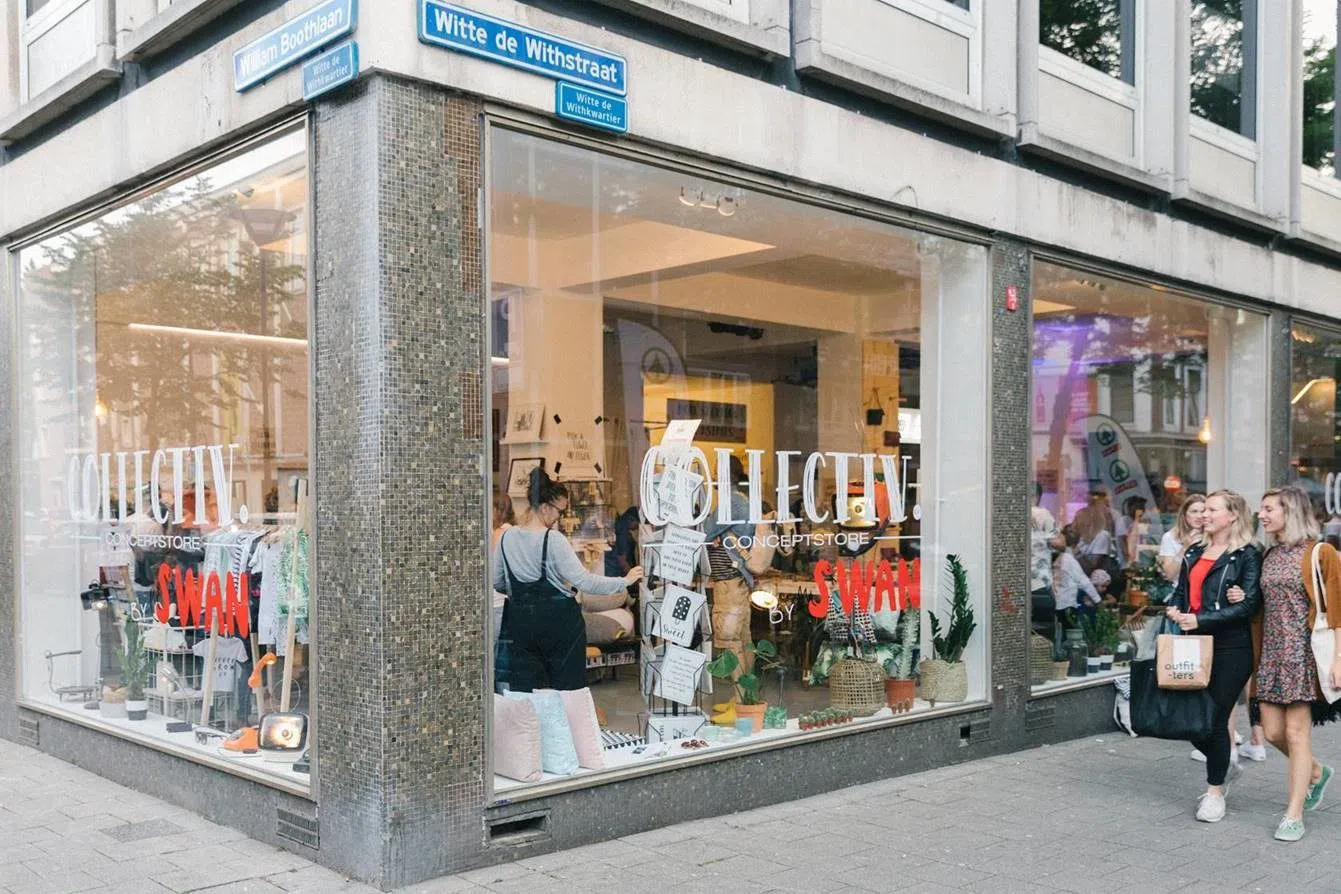
Swan Market Antwerpen (Grote Markt) is the design and maker pop-up, free, open-air, no door policy, and it falls on exactly one date this month, Sunday 4 October 2026, 11.00 to 17.00. That single date is worth planning a weekend around if it is your kind of thing, and worth ignoring completely if your weekend is the 17th.
Vrijdagmarkt (the square of the same name, old town) is the local counterweight to both. A working second-hand auction descended from a sixteenth-century original, held in the open air on Friday mornings roughly 09.00 to 13.00, free to stand and watch, no booking. Treat it as a fifteen-minute stop on the way somewhere rather than an outing. The pleasure is watching real bidding by people who are not performing for visitors, and that wears thin after a quarter of an hour.
Two easy walks and a sculpture park
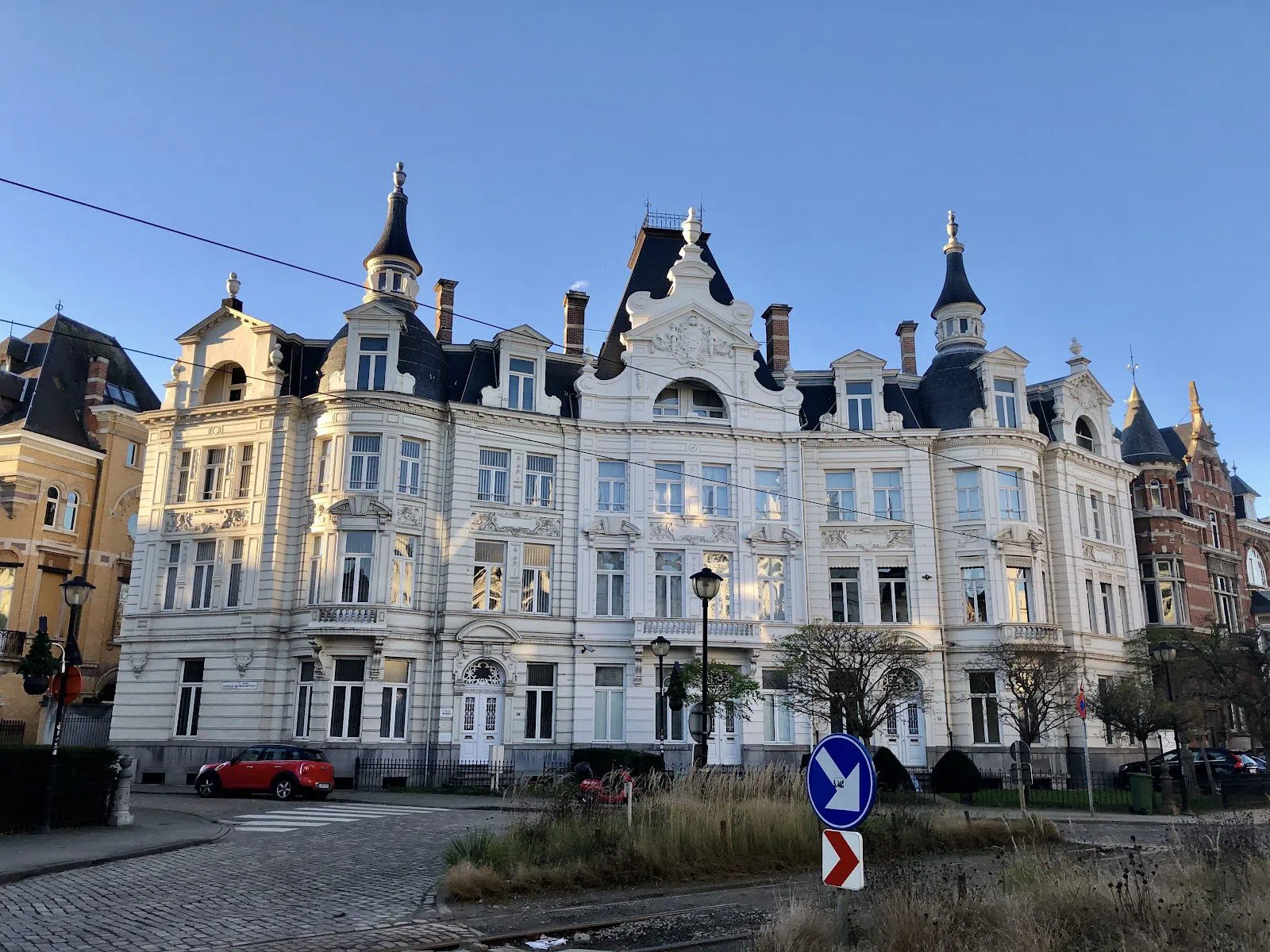
Zurenborg and Cogels-Osylei (Zurenborg, ten minutes by tram from the centre) is the best flat walk in the city: roughly two kilometres past twenty-five-plus mansions, art nouveau and everything adjacent to it, and it costs nothing self-guided. Local operators run guided versions at around €12 per person if you want the architectural detail explained. One request, and I mean it: these are people's homes on a normal residential street, so keep groups small, keep the volume down and do not photograph through windows.
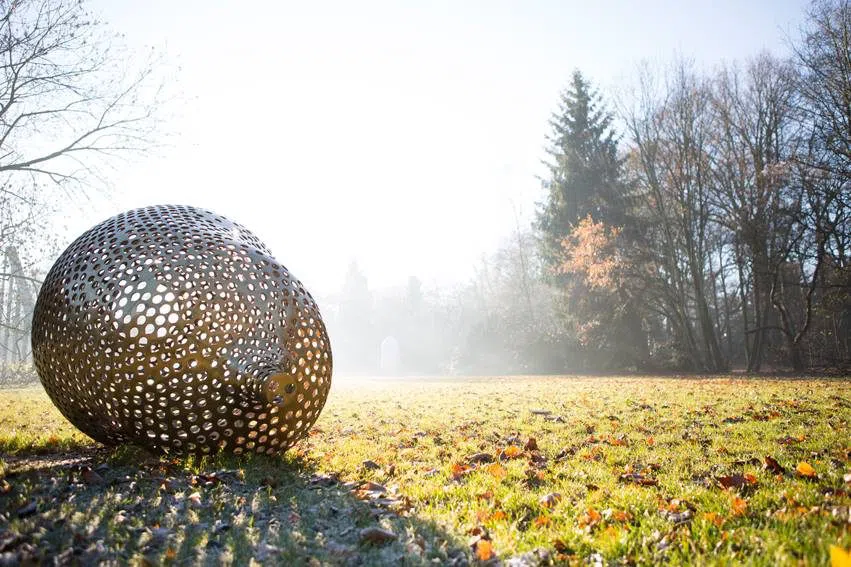
The Middelheim Museum is the other easy one, an open-air sculpture park south of the centre that is free, unticketed and simply walk-in, so a group of any size can turn up unannounced. October hours are 10.00 to 17.00 and it is closed on Mondays. Guided tours can be booked by phone or email. Timing matters this month. Monster Chetwynd's outdoor show 'A Friends Making Machine' ends on 11 October 2026, so only the weekends of 3 and 4 October and 10 and 11 October catch it. After that the permanent collection stands on its own, which it does perfectly well, but the show is the reason to go early in the month.
How the weekend actually fits together
If you land Friday, use the short window well. Vrijdagmarkt in the morning, the Maagdenhuis for 'Mad Meg' in the early afternoon on the €14 two-day ticket, then MoMu until last entry at 17.00. Keep the cathedral off the Friday plan if you are here on 2 October.
Saturday belongs to Zuid. KMSKA on a booked morning slot, lunch nearby, FOMU after, and if energy holds, use the second day of the Maagdenhuis ticket at the Rubens Experience and garden before it closes. Finish at the MAS rooftop, which stays open to 22.00 and costs nothing.
Sunday is markets and river. Vogelenmarkt from 08.00, and if it is 4 October, Swan Market on the Grote Markt from 11.00. Then Het Steen, the Sint-Annatunnel crossing, and either Middelheim or Zurenborg depending on whether you want sculpture or facades. The Red Star Line Museum slots into any of the three days, but give it its own hour and do not stack it against a market.
Doors, groups and the honest limits
The split is clean. Anything free here (Het Steen's centre and rooftop, the MAS rooftop, the tunnel, Middelheim, all three markets, the Zurenborg walk) takes any group size with no booking. Everything ticketed runs on timed entry and will not absorb a large party on the day. KMSKA, Red Star Line, the Rubens Experience and the Maagdenhuis all use fixed slots, and the Rubens Experience has the least capacity of the four. Groups of twelve or more get reduced rates at MAS, MoMu and Red Star Line; the cathedral's group rate starts at twenty. For couples, the ticketed museums are effortless and same-week booking is usually enough. For anything above a dozen people, book two weeks out, split across slots where capacity is tight, and route the group email through the venue's own address rather than a general enquiry form. Also plan around Mondays, when MAS, FOMU and Middelheim all close, and around Wednesdays, when the Rubenshuis does.
Practical notes
Trams and the pre-metro cover everything here; Zurenborg is about ten minutes out and Middelheim is the only stop that genuinely needs public transport rather than legs. Buy transport tickets in advance rather than at the door of a busy tram. Carry a card, because the Rubenshuis takes card only and refuses cash outright, but keep some coins for the markets, where cash still moves faster. Museums here open at 10.00 and the tight ones close early. MoMu's last entry at 17.00 and the cathedral's 15.00 Saturday close are the two that break plans. On budget, a weekend using the €14 combined ticket, KMSKA at €20, MoMu at €12, FOMU at around €12 and Red Star Line at €10 lands near €68 per adult for five substantial museums, and everything riverside, every market and both walks add nothing to that. Under-18s are free almost everywhere on this list. October weather argues for a waterproof and shoes that tolerate cobbles; the tunnel is the reliable dry option when the rain comes in sideways. For where to sleep, the old town puts you inside walking distance of most of this while Zuid puts you next to the two best museums. Compare both in the Antwerp hotel search, and for the rest of the city beyond this weekend, the Antwerp guide covers the neighbourhoods, food and transport in more depth.
Before you go
Which Antwerp museums have to be booked in advance?
KMSKA, the Red Star Line Museum, the Rubens Experience at the Rubenshuis and Museum Mayer van den Bergh at the Maagdenhuis all use timed entry slots booked online. KMSKA's half-hour slots have to be reserved even if you hold a pass, and the Rubens Experience has the tightest capacity of the four. The free sites need no booking at all: Het Steen's visitor centre and rooftop, the MAS rooftop, Middelheim and the Sint-Annatunnel.
Are Antwerp's markets open every weekend in October 2026?
No, and the days differ. Vogelenmarkt on Theaterplein runs every Sunday from 08.00 to 13.00, and the Vrijdagmarkt auction runs Friday mornings, roughly 09.00 to 13.00. Swan Market has one date only this month, Sunday 4 October 2026, 11.00 to 17.00 on the Grote Markt. All three are free.
Can you still visit Rubens' house in Antwerp?
Not the historic house, which is closed for restoration until 2030. What is open is the Rubens Experience, the library and the baroque garden, at €12 for the Experience and garden or €8 for the garden alone, free under 18. It closes on Wednesdays and takes card payment only, not cash. The €14 Museum Mayer van den Bergh ticket also covers it and stays valid for two days.
What can you do in Antwerp for free?
Plenty. Het Steen's visitor centre and rooftop, the MAS boulevard and rooftop (open 09.30 to 22.00), the Sint-Annatunnel walk under the river to Linkeroever, the Middelheim sculpture park, the Zurenborg and Cogels-Osylei architecture walk and all three markets are free, and none of them needs a ticket or a booking.
Which days do Antwerp museums close?
MAS, FOMU and Middelheim close on Mondays, and the Rubenshuis closes on Wednesdays. Museum Mayer van den Bergh at the Maagdenhuis opens Friday to Sunday only, 10.00 to 17.00. The Cathedral of Our Lady keeps short and uneven hours (Monday to Friday 10.00 to 17.00, Saturday to 15.00, Sunday from 13.00), and closes entirely from 13.00 on 2 October 2026.